


Corporate video production for Austin businesses
Corporate Video Production in Austin
Austin corporate video production helps make your company, process, expertise, or message easier to understand. We handle planning, filming, and editing for company overviews, leadership interviews, customer interviews, training, internal updates, sales, and events.
- Make your message clear before filming
- Help your team feel comfortable on camera
- Get useful versions for web, sales, and internal use
Start with what people need to understand
Turn complex business information into one clear story.
A corporate video is a good fit when customers, employees, partners, or prospects need a clear and consistent explanation of your company, expertise, process, people, or a change happening in the business.
We start with your audience, what they need to understand, who can explain it best, and where the finished video will be used. That keeps the interviews, filming, feedback, and final versions focused on a real need.
Corporate video formats
Choose the video your audience needs.
One filming project can support several teams when we agree on the audiences and final versions before the cameras roll.
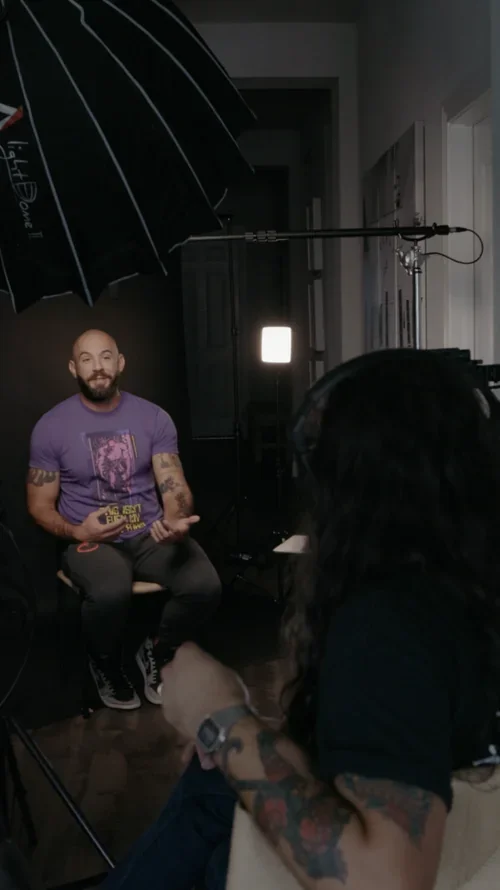
Company clarity
Company overview videos
Explain what the company does, who it helps, how it works, and why customers or partners should feel confident.

Leadership
Executive interviews
Give leaders enough structure to explain strategy, expertise, change, or perspective in natural language.
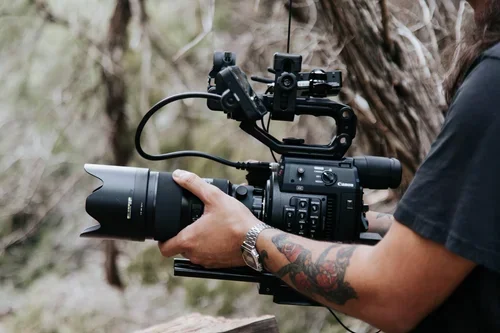
Trust
Customer interviews
Let customers explain their experience and how they use your company’s work without turning the conversation into a scripted testimonial.
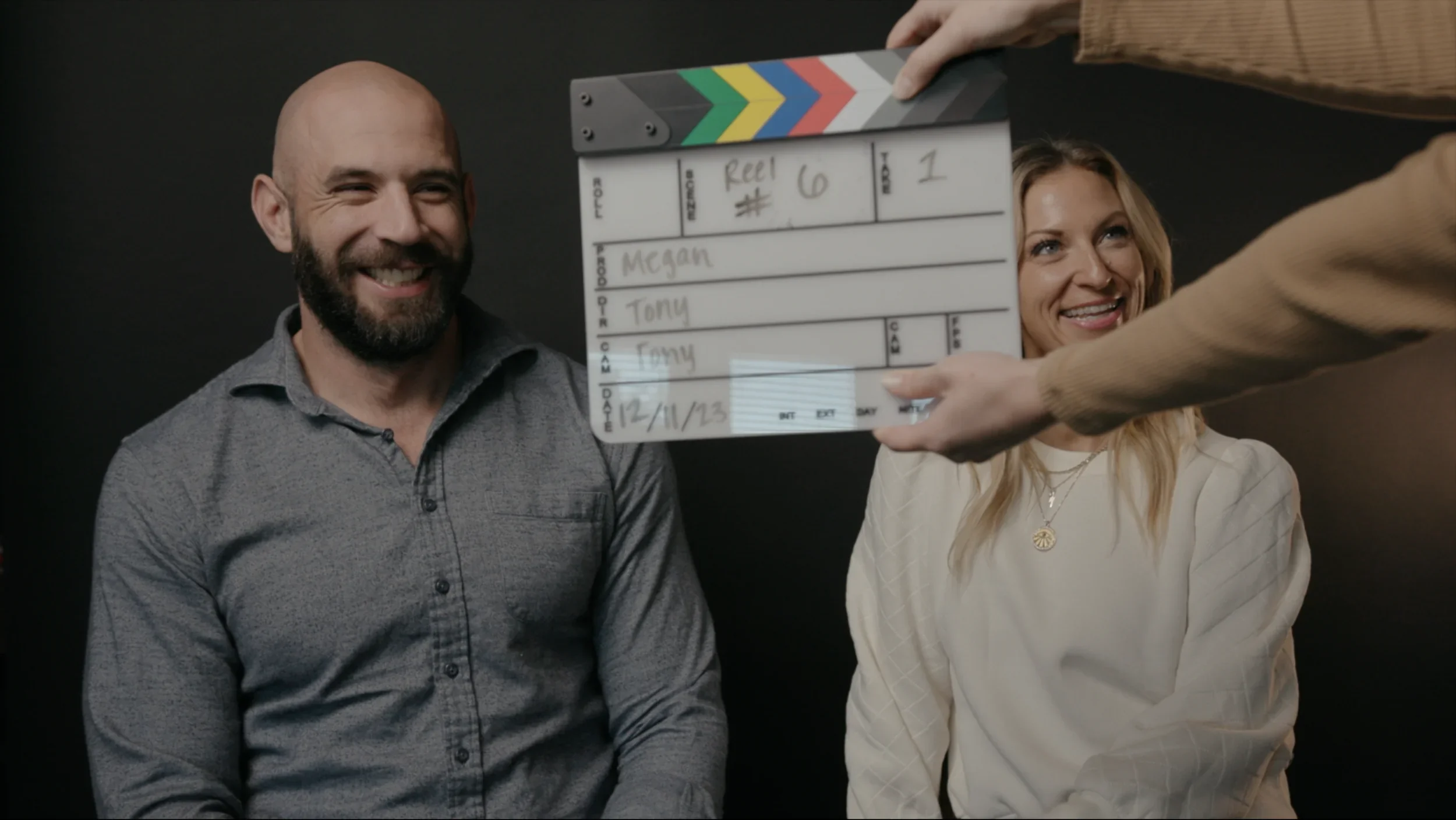
People
Internal communication
Support company updates, culture, change communication, or leadership messages that need more context than an email.
Learning
Training and onboarding
Plan repeatable explanations, demonstrations, and role context for employees, customers, or partners.
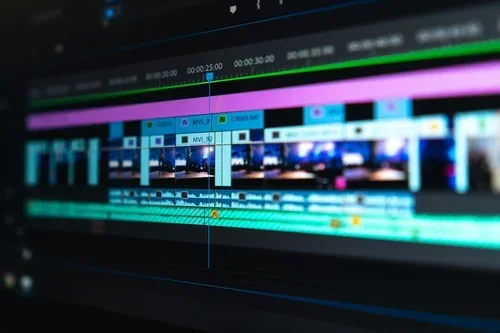
More ways to use it
Sales and event versions
Create shorter edits, captions, presentation versions, thumbnails, and follow-up clips for the places your team needs them.
Who corporate video is for
A clear message your whole audience can understand.
Corporate video works best when many people need the same explanation, training, or business context—and you still want the message to feel human.
Marketing teams
For company overviews, customer interviews, thought leadership, event follow-up, and sales-support content.
Founders and business owners
For leaders who need to explain the business, expertise, process, or next stage with confidence.
HR and people teams
For onboarding, training, leadership communication, culture, and workforce updates.
Sales teams
For explainers, customer context, presentations, follow-up, and videos that make a complex offer easier to discuss.
Internal communications teams
For distributed audiences that need consistent information, visible leadership, and a clear next step.
Is corporate video right for you?
Choose the service that matches what you need to communicate.
Start with who needs the video and what you want them to understand or do next.
A corporate video is a good choice when you want to
- Explain the company, expertise, service, or process.
- Give customers, partners, or teams the same clear information.
- Feature leaders, employees, or customers in natural interviews.
- Create useful versions for your website, sales, training, events, or internal team.
Another service may fit better when you need to
- Choose brand video when your identity, mission, or company story comes first.
- Choose commercial video when you are promoting an offer or campaign with a clear next step.
- Choose recruiting video when you are speaking directly to candidates.
Before we talk
Four helpful things to share on the first call.
These starting points help us recommend the right interview, filming, and editing plan.
- 01Business goalWhat should this video help the company, customer, or team accomplish?
- 02AudienceWho needs the explanation, and what do they need to trust or understand?
- 03People and examplesWho should speak, and what workplace, process, customer, or product should viewers see?
- 04Where and whenWhere will the video be used, who will approve it, and when should it be ready?
How the project works
From your first idea to useful business videos.
Your schedule will depend on the people and locations involved, what needs to be demonstrated, how quickly feedback is approved, and how many versions you need.
Understand your goals
We talk through your audience, message, deadline, where the video will be used, and your budget range.
Plan the interviews
We choose the right speakers and prepare questions that help them sound natural, accurate, and confident.
Plan what we will film
We choose the workplaces, processes, demonstrations, people, and details viewers need to see.
Prepare the shoot
We confirm schedules, locations, permissions, equipment needs, participants, and reviewers.
Film your team
We guide interviews, capture the planned footage, and keep the day organized around your message.
Edit and deliver
We build the main video, collect your feedback, and prepare the approved versions, captions, and final files.
Budget, timing, and final files
What goes into your corporate video project.
A company overview takes a different plan than a training series filmed in several locations, event coverage, or several customer interviews. Sharing a budget range early helps us recommend a realistic approach.
What most projects include
- Discovery and message planning
- Interview and shot-list development
- Location, speaker, and schedule coordination
- Filming and on-camera direction
- Editing, feedback, finishing, and delivery
What affects price and timing
- Number of speakers, stories, locations, and filming days
- Demonstrations, events, travel, and workplace access
- Scripting, animation, graphics, music, and captions
- Number of reviewers, feedback rounds, and approval timing
- Sales, training, internal, event, social, and language versions
Choosing the right video partner
Look for work that makes a business message clear.
As you review a portfolio, look for natural interviews, useful supporting footage, a clear message, and videos that make sense for the audience and where they will be used.
Tell us what you are planning, and we will point you toward the most relevant examples we are able to share.
Corporate video questions
Plan your corporate video with fewer surprises.
Simple answers to the questions clients usually ask about speakers, timing, feedback, and final files.
What types of corporate videos can one production support?
Depending on the plan, one filming project can support a company overview, leadership interviews, customer interviews, sales videos, internal updates, training clips, event follow-up, and shorter social versions.
How do you help team members sound natural on camera?
We prepare topics and questions instead of giving people lines to memorize. Everyone knows what the conversation will cover, and we guide the interview so answers stay accurate and conversational.
What affects corporate video cost and timeline?
The biggest factors are planning, scripting, number of speakers, filming days, locations, demonstrations, travel, graphics, music, captions, feedback rounds, and final versions. Fast, organized feedback also helps keep the schedule moving.
Can one shoot create sales, training, and internal versions?
Often, yes, if we plan each audience and final version in advance. Some messages may still need their own interview questions, scenes, graphics, or editing approach.
Who should approve the video?
Choose one main decision-maker and identify any subject experts, brand, legal, HR, or leadership reviewers early. Clear roles prevent conflicting feedback and unnecessary revisions.
How should corporate video performance be measured?
It depends on how the video is used. You might look at watch time, sales engagement, training completion, support questions, employee understanding, event follow-up, or qualified actions.
Ready to make your message clear?
Let’s create a corporate video people understand.
Tell us what you need to explain, who needs to hear it, when you need the video, and where you plan to use it.
Talk about your corporate video